When your survey contains many short questions, a single-column layout can waste paper and make the form feel unnecessarily long. Multi-column layouts let you arrange questions side by side, making better use of the page and creating a more compact, respondent-friendly form.
Creating multi-column layouts
Add a Multi Column question type
- Click "Add new question" in the survey builder
- Select "Multi Column" from the question types
- This creates a container for your columned questions
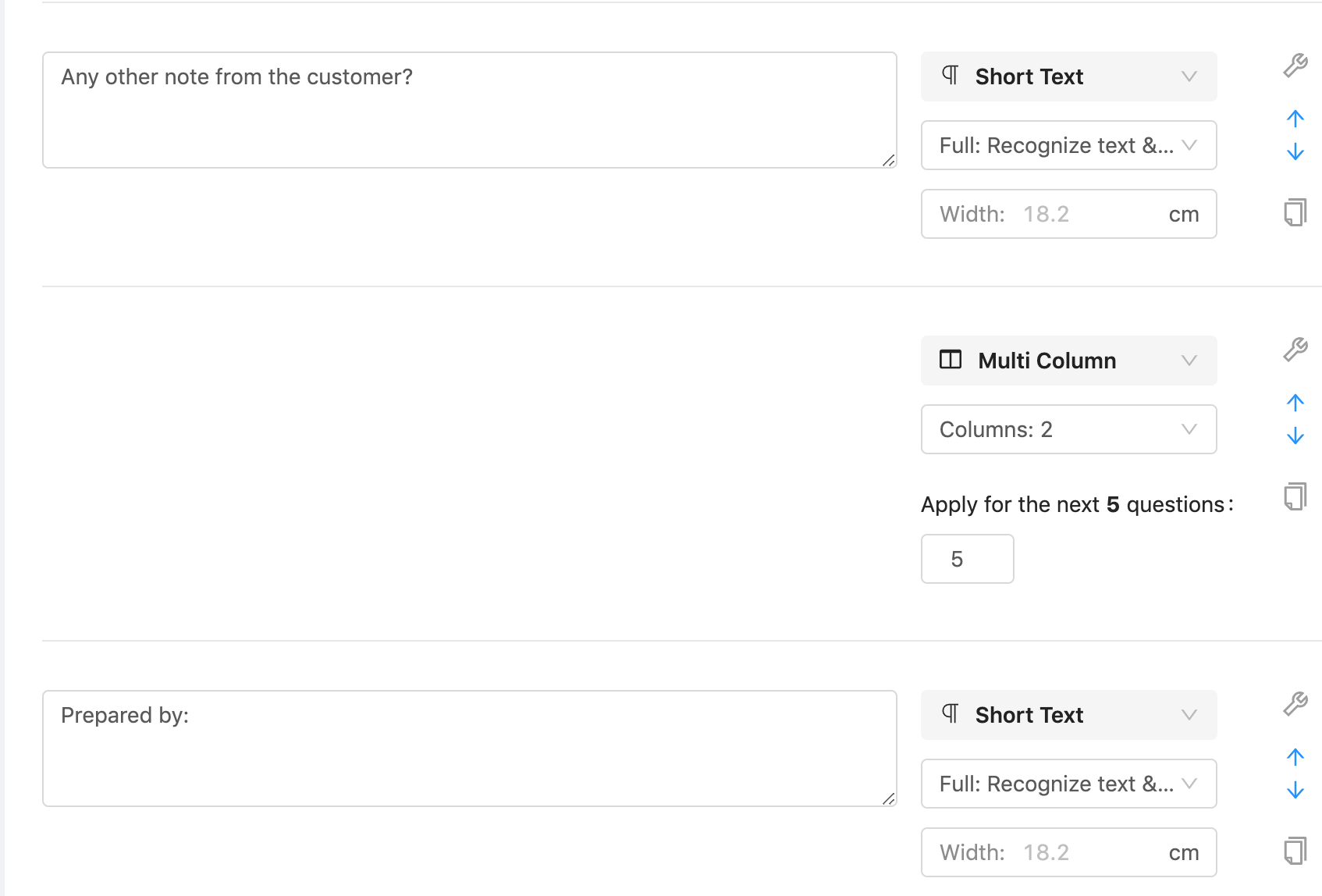
Configure your columns
- Choose the number of columns, from 2 to 5
- Set how many of the following questions the layout applies to, using the "Apply for the next N questions" field. You may enter 1000 to include all of the questions in the multi-column layout.
- Questions automatically flow into the specified column layout
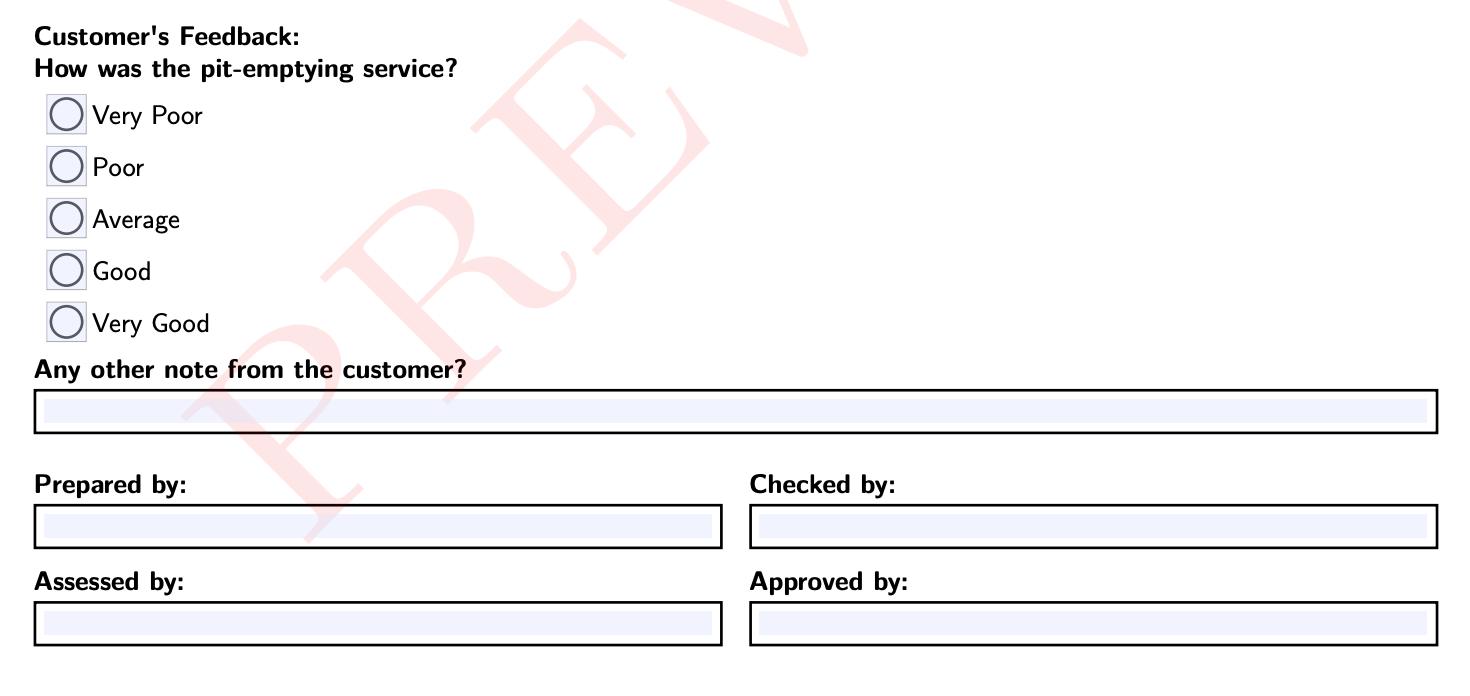
Fine-tune the layout (optional)
- Column widths can stay equal, follow a ratio preset such as 2 : 1, or use custom relative values per column
- Placement can be switched from Automatic to Manual to control exactly which questions land in which column
- The Center switch centers the content of the columns
Best use cases
Multi-column layouts work best for:
- Yes/No questions
- Short demographic questions
- Checkbox lists with brief labels
- Rating scales with few options
- Quick screening questions
Design considerations
- Keep questions short. Long text breaks the column flow.
- Use consistent question types. Mixing types can look cluttered.
- Test readability. Ensure text remains legible when compressed.
- Consider response space. Leave adequate room for handwritten answers.
Making it work
Preview your layout before printing to catch any issues. Group related questions in the same multi-column section, and reserve standard single-column layout for complex questions that need more space. Balancing visual density with respondent ease ensures your survey remains approachable.
Multi-column layouts can reduce your survey from multiple pages to a single sheet, saving printing costs and improving completion rates.